Like most people, I’ve been watching films for as long as I can remember. Some of my earliest memories involve sitting in front of a television or in a cinema, completely absorbed by the stories unfolding on screen. Films have always been a huge part of my life and have infiltrated every aspect of it. They’ve been a way of exploring ideas, processing emotions, and seeing the world from different perspectives.
Even now, I spend a large part of my free time watching films, reading about films, or simply thinking about them. It’s probably no surprise that filmmaking eventually became the centre of my career. People often ask why I make horror films, and I think the answer begins with the films I grew up watching.
Discovering Horror
As a child, I wasn’t particularly interested in horror. Instead, I was obsessed with films like Peter Jackson’s The Lord of the Rings trilogy and Sam Raimi’s Spider-Man films. Those were the movies I watched repeatedly, memorising scenes and becoming fascinated by the people who had created them. As I got older, curiosity led me to explore the rest of those directors’ filmographies and that’s when everything changed.
Peter Jackson’s early career couldn’t have been more different from Middle-earth. Films like Braindead (Dead Alive) and Bad Taste were gleefully inventive, wonderfully strange, and made with an energy that felt completely unlike anything I’d seen before. This applied to Sam Raimi as well. Watching The Evil Dead films, you could immediately recognise the same visual flair and kinetic camera work that would later define his superhero films. It became obvious that the filmmaker behind Spider-Man had honed his craft making horror.
Those discoveries opened the door to an entire genre that I had barely explored before. Once I stepped through it, I never really looked back.
The Power of Fear
One of the things I love most about horror is the way it manipulates emotion. Every genre aims to make us feel something, but horror (alongside comedy) has a uniquely physical relationship with its audience.
A great horror film carefully builds tension, allowing anxiety to grow almost imperceptibly before finally releasing it through a scare or shocking revelation. That rhythm of suspense and release creates an experience that’s difficult to replicate in any other genre.
Of course, horror isn’t simply about making people jump.
The best horror films understand that fear comes in many forms.
Sometimes it’s dread.
Sometimes it’s uncertainty.
Sometimes it’s the feeling that something isn’t quite right, even when you can’t explain why.
Those emotions can linger long after the credits have rolled, and I think that’s one of the reasons the genre has always fascinated me.
When horror is working at its best, it gets under your skin in a way few other genres can.
Horror as Social Commentary
Perhaps the biggest misconception about horror is that it’s only interested in frightening audiences.
In reality, horror has often been one of cinema’s most intelligent genres.
Again and again, horror filmmakers have used monsters, ghosts, vampires, zombies and serial killers as vehicles for discussing much larger social and political issues.
Jordan Peele’s Get Out is a perfect modern example.
On the surface it’s an incredibly effective horror film, full of memorable scares and mounting tension. Beneath that, however, it’s also a sharp examination of race, privilege and performative liberalism. The horror isn’t separate from the film’s themes, it is the mechanism through which those themes are explored.
John Carpenter’s The Thing works in a similar way.
Yes, it’s an outstanding creature feature with some of the greatest practical effects ever put on screen. But it’s also a film deeply rooted in paranoia and distrust. Released during the final years of the Cold War, its central premise, that anyone around you could secretly be the enemy, captures the anxiety of that period remarkably well.
That’s something I find endlessly inspiring.
Horror has a unique ability to disguise serious ideas beneath entertaining stories.
Audiences arrive expecting to be scared, and often leave having engaged with themes they may not even have realised they were thinking about.
It’s a genre that invites discussion long after the scares have faded.
The Genre of Independent Filmmakers
There’s another reason horror has always appealed to me, and it’s one that’s particularly relevant to independent filmmaking.
Horror repeatedly proves that you don’t need enormous budgets to tell compelling stories.
Some of the greatest horror films ever made were produced with remarkably limited resources.
In fact, constraints often become strengths.
A smaller budget encourages filmmakers to think creatively rather than simply solving every problem with visual effects or spectacle. Atmosphere, sound design, clever editing and imaginative storytelling frequently become more important than expensive set pieces.
As someone building a career in independent filmmaking, that’s incredibly encouraging.
It demonstrates that ambitious filmmaking isn’t solely the domain of enormous studios.
A great horror film can emerge from a passionate creative team with limited resources but a strong idea.
History has shown that time and time again.
Why I Keep Coming Back
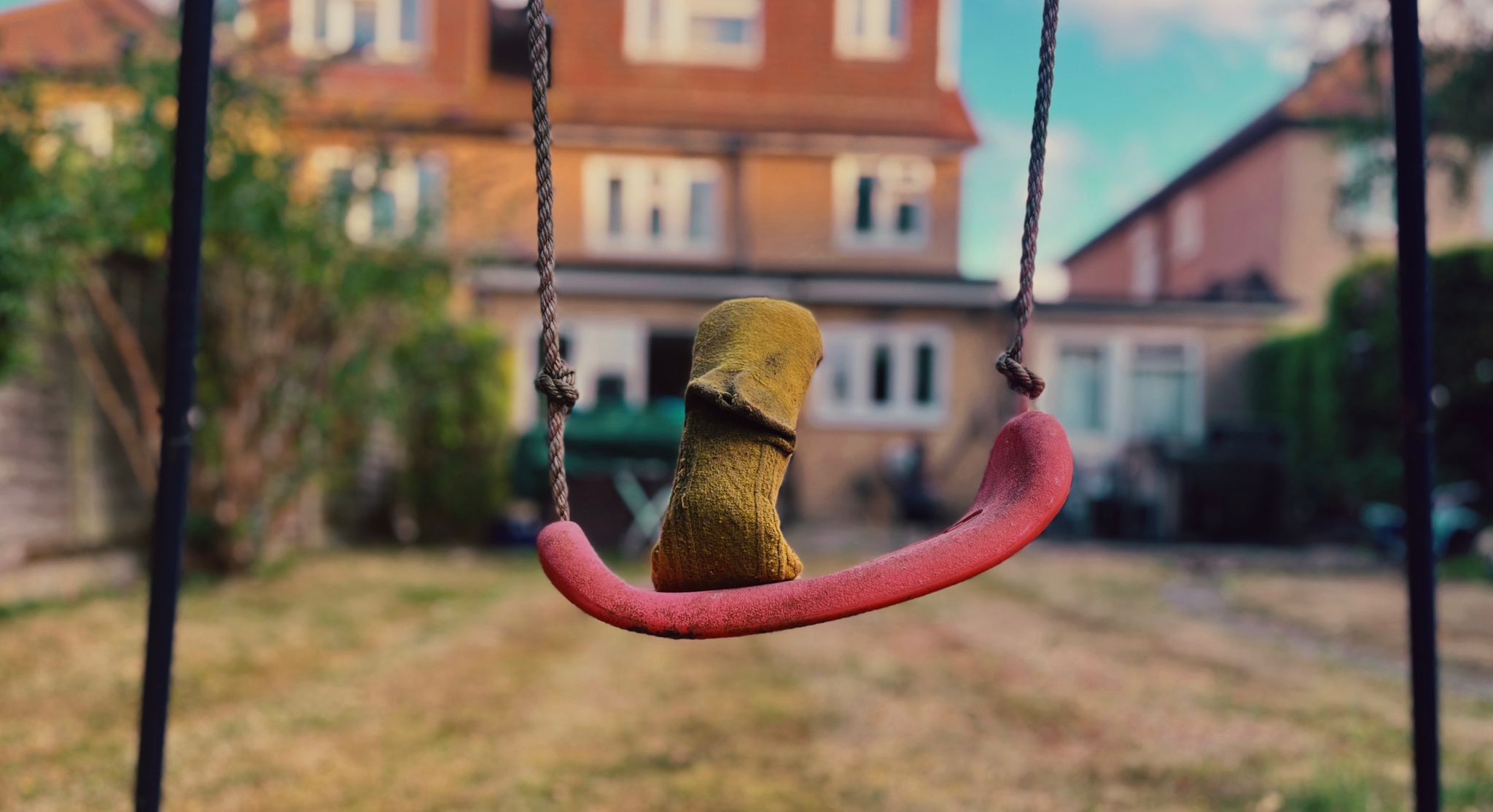
Looking at the projects I’m currently developing through Boozehound Films, Sock, Socks, and Bad Dog!, it’s probably obvious that horror has become the genre I naturally gravitate towards.
That isn’t because I think every story should involve monsters or murder.
It’s because horror offers a remarkable degree of creative freedom.
It allows filmmakers to blend genres, explore difficult subjects, experiment visually and tell stories that might not fit comfortably anywhere else.
Most importantly, it allows us to ask difficult questions.
The best horror films aren’t really about ghosts, demons or creatures.
They’re about grief.
Identity.
Loneliness.
Addiction.
Prejudice.
Trauma.
Fear itself.
The monsters simply give those ideas a face.
That’s why I continue to love the genre, both as a filmmaker and as an audience member.
Horror has entertained me, challenged me, inspired me and, perhaps more than any other genre, shaped the kind of storyteller I want to become.
And I have a feeling it’s going to be a very long time before I stop making horror films.
Leave a Reply